
Details
In VisionPro, Both FindLine and LineMax are line extraction tools for 2D image. FindLine's and LineMax’s angular accuracy against rotational drift with consideration of line’s contrast are shown in the article 000002161 and 000002179 respectively. While this article tries to show the performance of processing time of FindLine and LineMax in the same manner.
Both FindLine’s and LineMax’s processing times are highly dependent on their parameter settings, which also dominantly determine their angular accuracy performance. Thus, it’s unrealistic to evaluate processing time without specifying the corresponding angular accuracy. Since the parameter settings of FindLine and LineMax for angular accuracy evaluation have been introduced in article 000002161 and 000002179 respectively, the same parameter settings are also adopted here for processing time evaluation, and they are as follows:
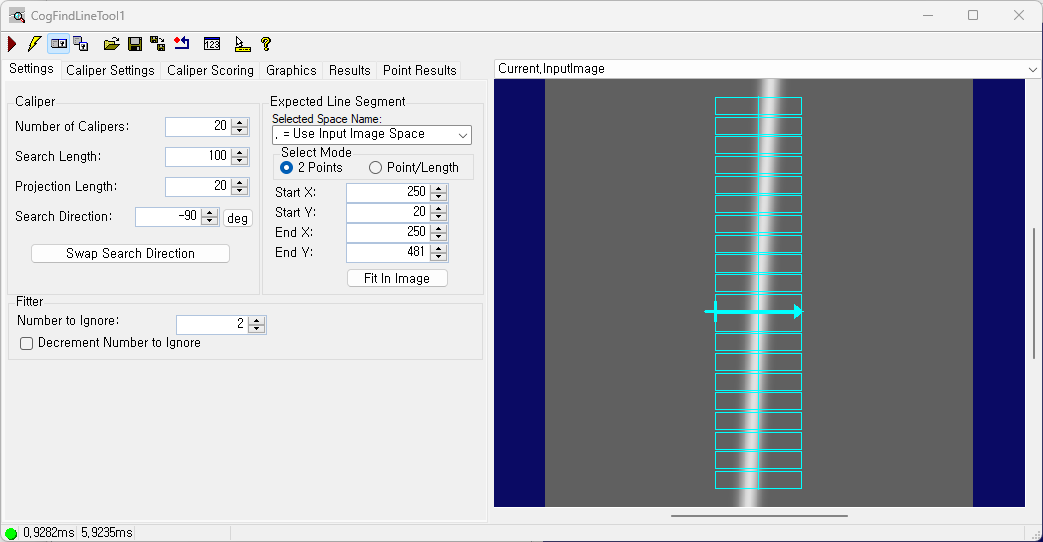
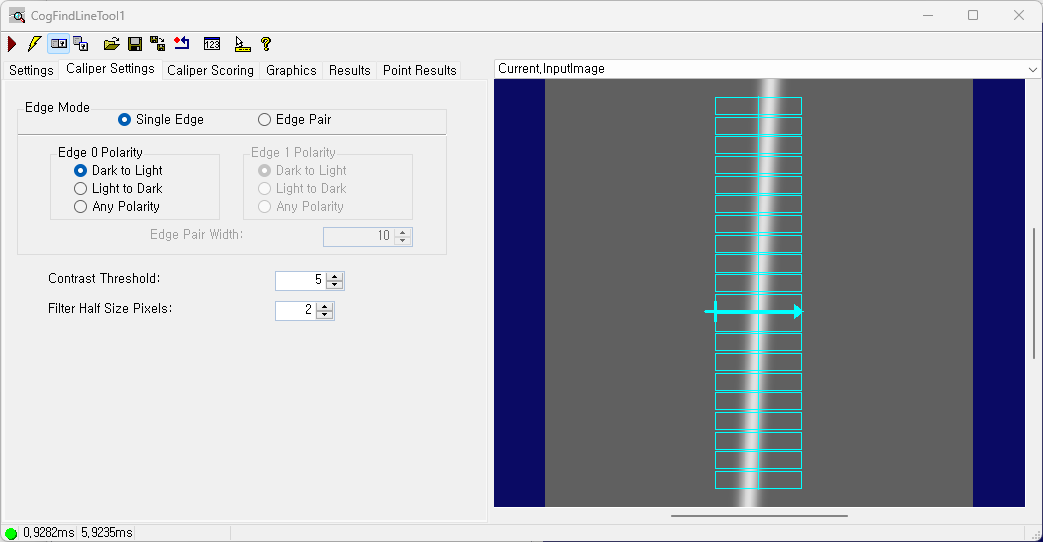
FindLine’s parameter setting
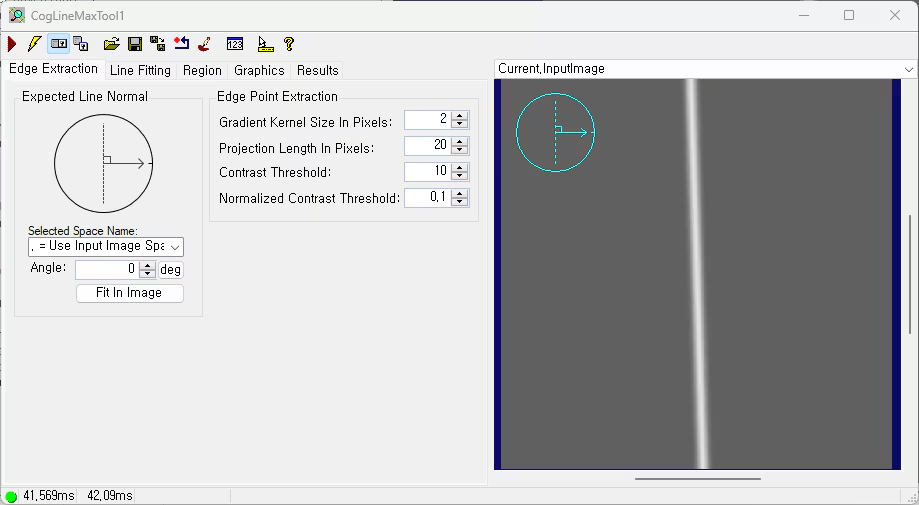
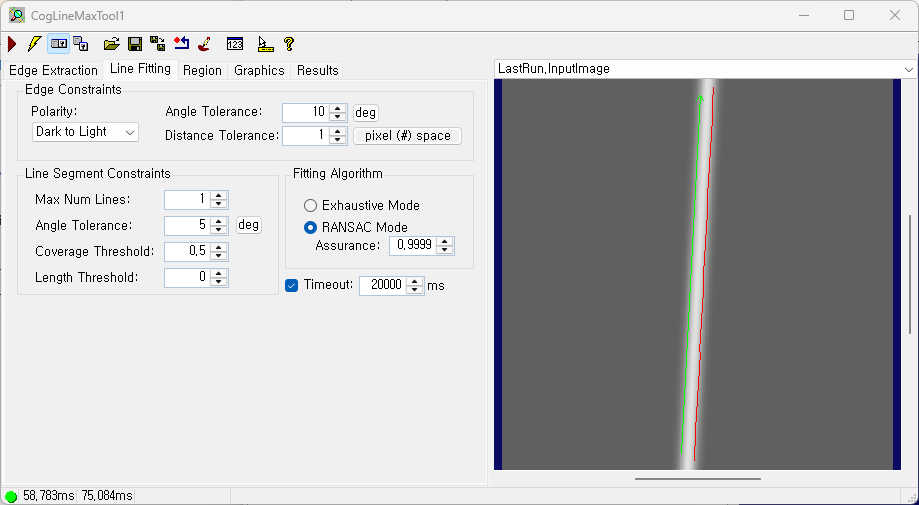
LineMax’s parameter setting
Also, the evaluation dataset is exactly same as the synthetic line dataset used in angular accuracy evaluation. Since all details of synthetic line dataset from why to how are described in the article 000002161, please refer to the article for better understanding of the synthetic line dataset. Here, some synthetic images are shown below as example:
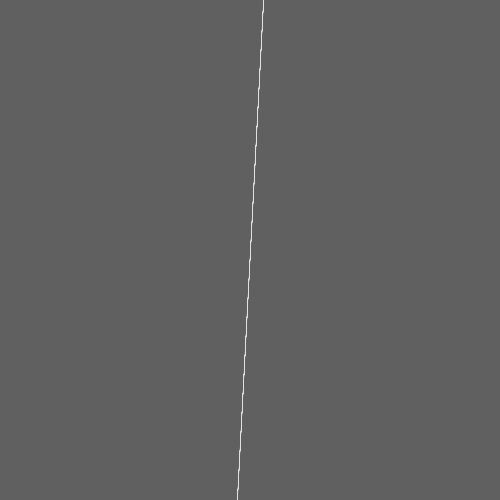
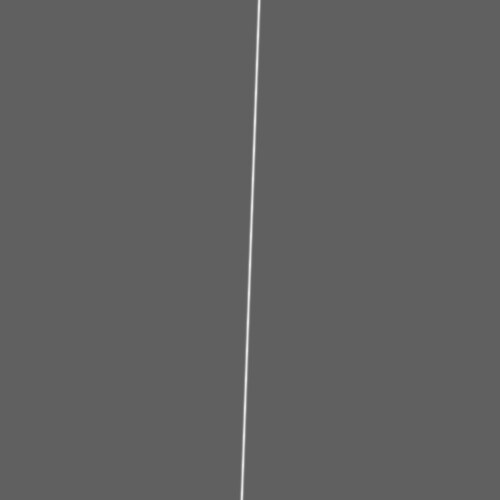
σ =0.25, rot = -3, Contrast = -127.449
σ =1.0, rot = -2, Contrast = -117.909
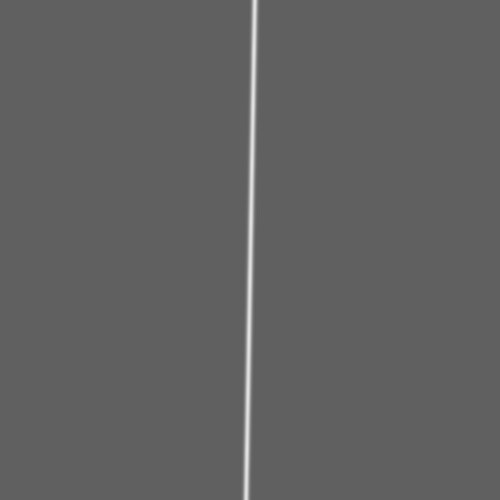
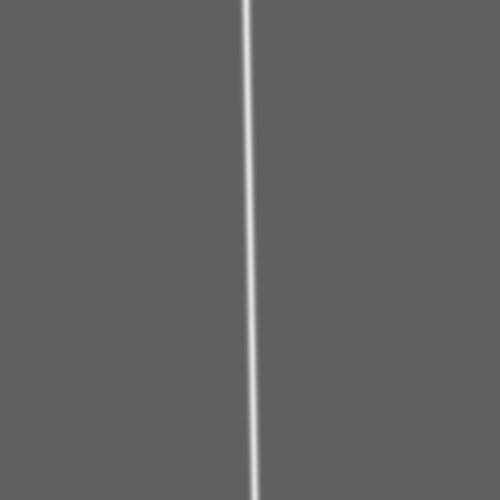
σ =2.0, rot = -1, Contrast = 72.1869
σ =3.0, rot = 1, Contrast = 50.2021
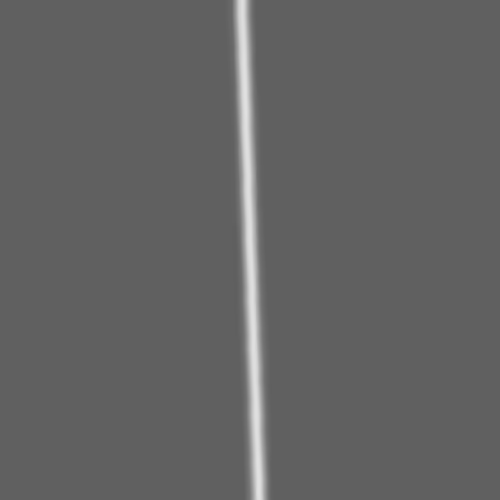
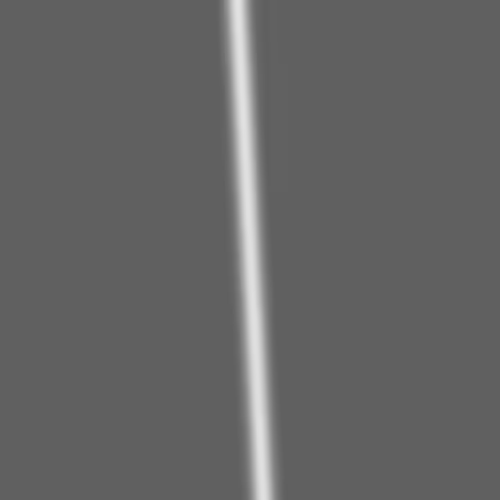
σ =5.0, rot = 2, Contrast = 31.1415
σ =8.0, rot = 3, Contrast = -20.0909
FindLine's processing time performance is shown below. The left graph shows the average processing time of all sigma (σ ranges from 0.2 to 8.0) with respect to line rotation angle. From the graph, it is obvious that FindLine's processing time is irrelevant to the line rotation angle. The right graph shows the average processing time of all line rotation angle (ranges from -3 to +3) with respect to the sigma (σ). In the graph, the range of fluctuation in processing time is 0.51ms which is much bigger than 0.14ms of the left graph. As a result, FindLine’s processing time is sensitive to sigma (line’s contrast) rather than line rotation angle.
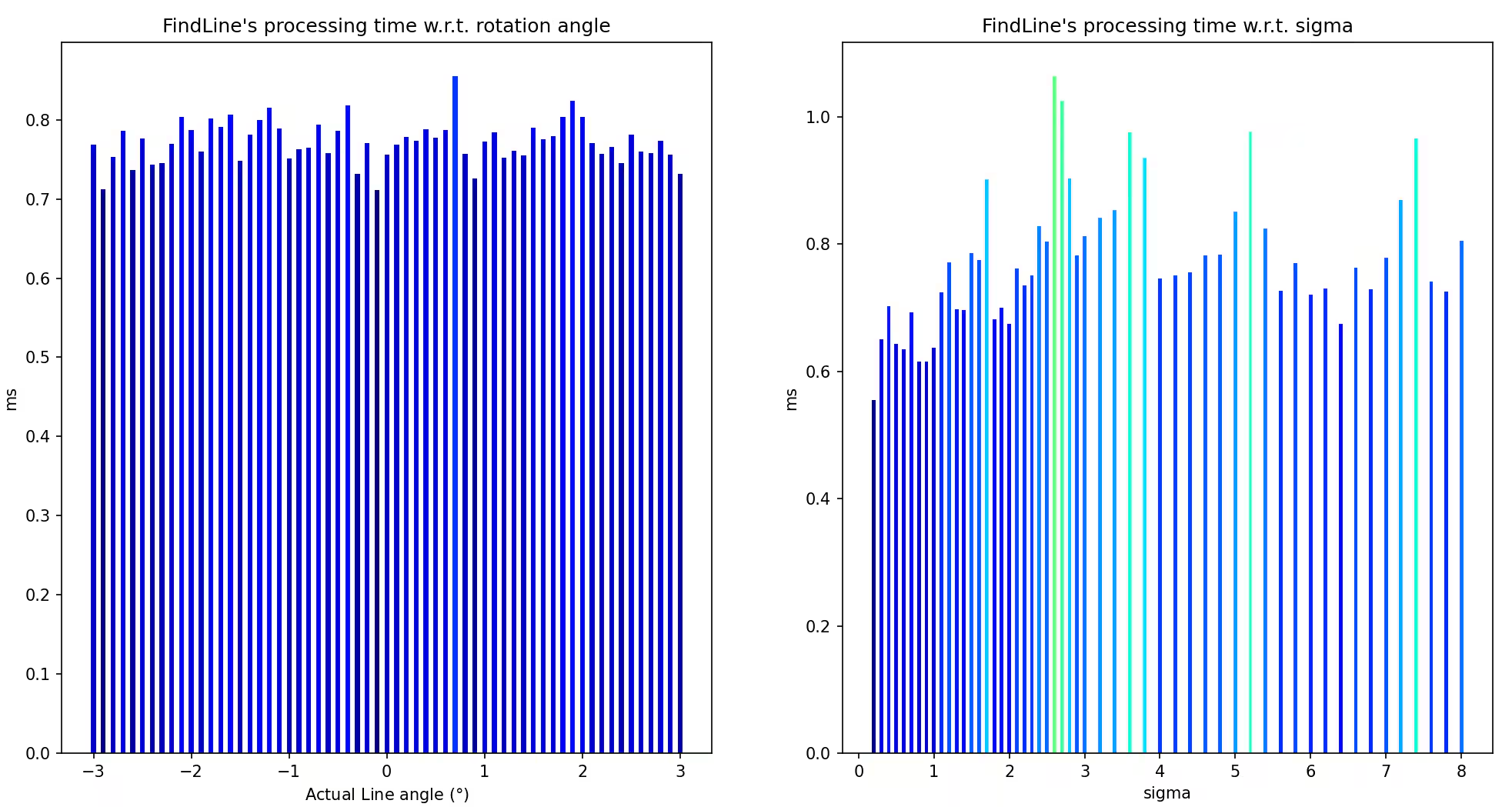
FindLine's processing time graph
LineMax's processing time performance is shown below. The left graph shows the average processing time of all sigma (σ ranges from 0.2 to 8.0) with respect to line rotation angle. From the graph, it is obvious that like FindLine, LineMax's processing time is also irrelevant to the line rotation angle. The right graph shows the average processing time of all line rotation angle (ranges from -3 to +3) with respect to the sigma (σ). In the graph, the range of fluctuation in processing time is 48.36ms which is much bigger than 9.52ms of the left graph. Like FindLine, LineMax’s processing time is also sensitive to sigma (line’s contrast) rather than line rotation angle.
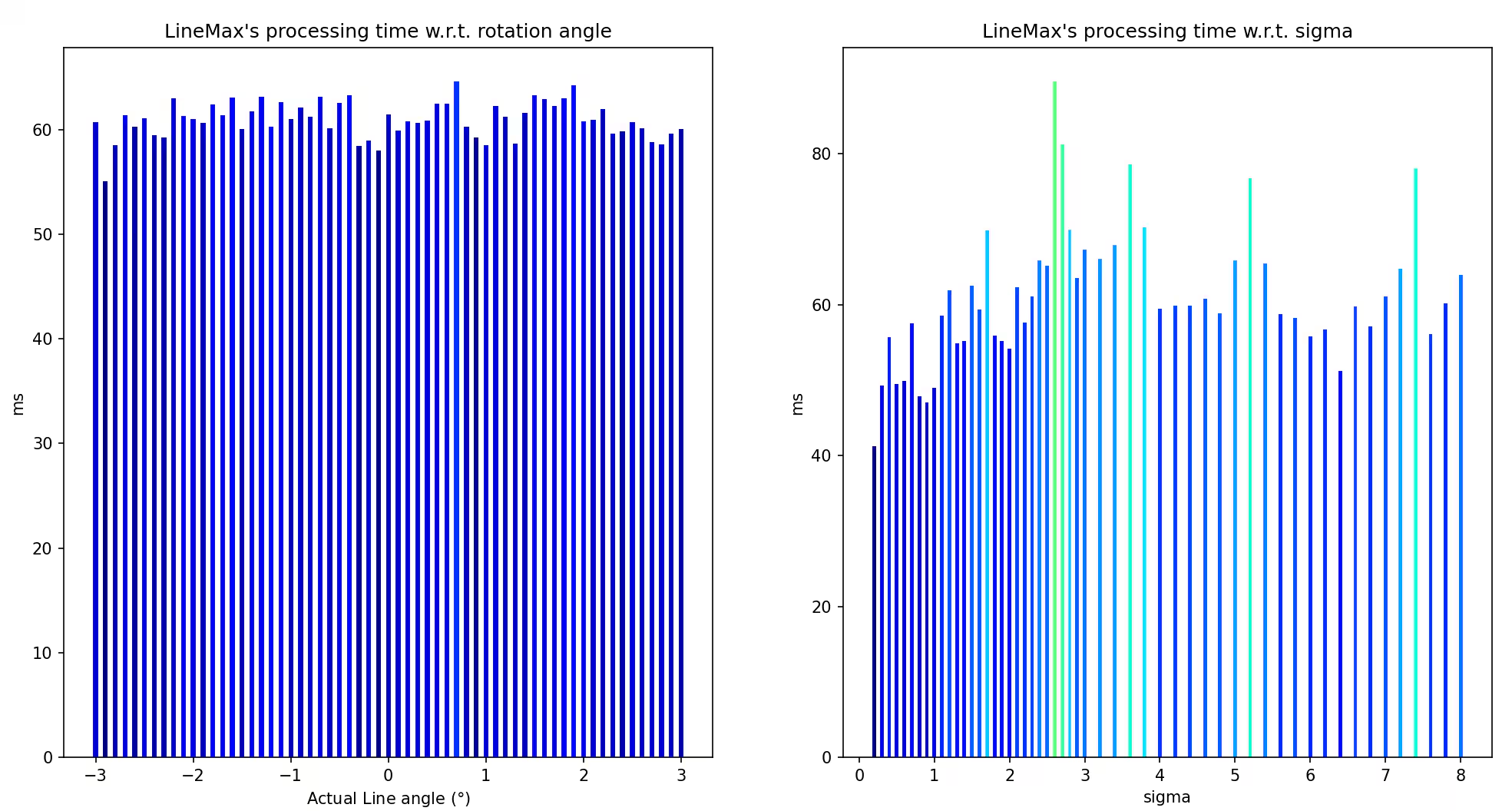
LineMax's processing time graph
The following figure shows the overall processing time of FindLine and LineMax in 3D bar graph view.
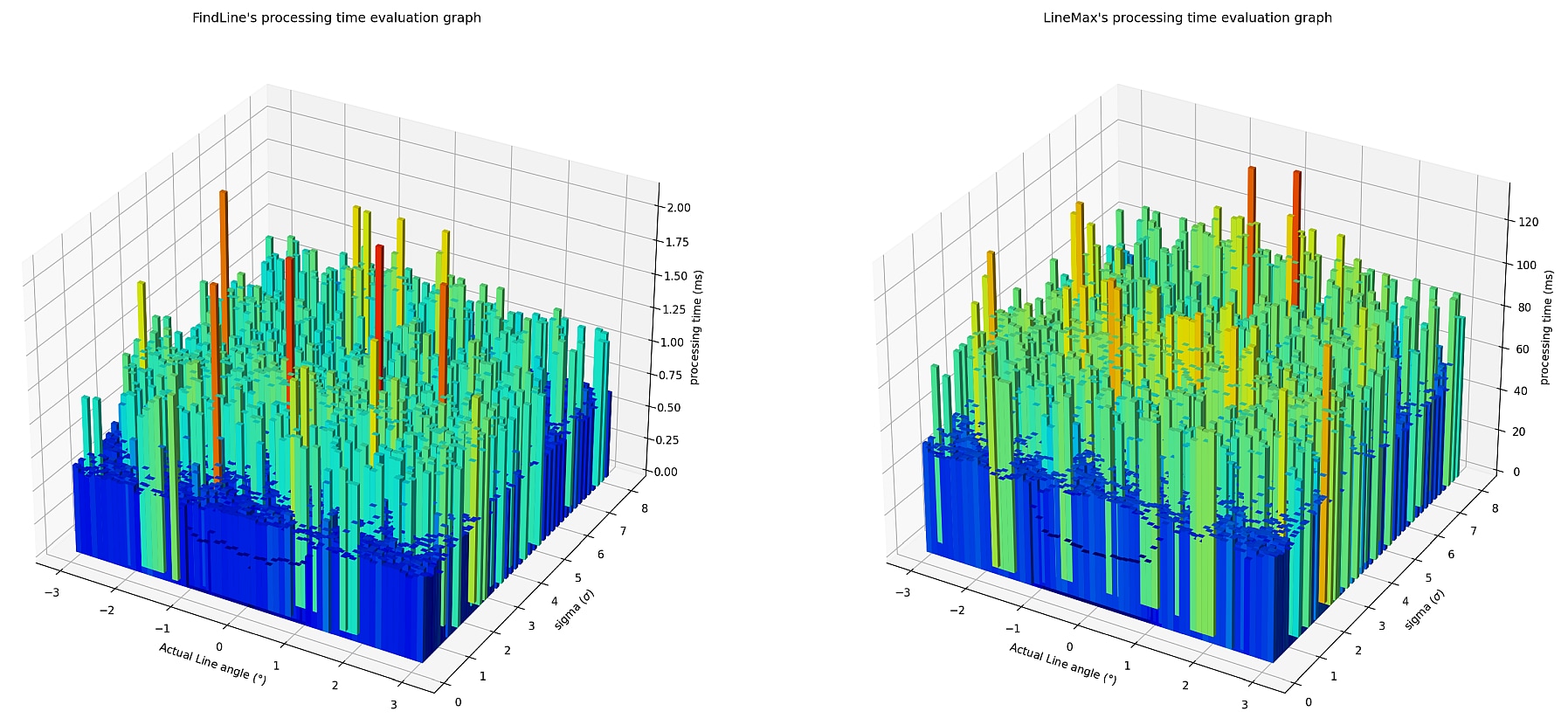
Overall processing time of FindLine and LineMax
In the overall processing time figure, the average processing time of FindLine is 0.77ms, while the average processing time of LineMax is 60.93ms. From the simple comparison, FindLine is about 80 times faster than LineMax, but if optimization on parameters is further considered for reducing processing time without sacrificing angular accuracy, then the ratio can be changed within a certain range.
Conclusion:
- Both FindLine’s and LineMax’s processing time is sensitive to sigma (line’s contrast) rather than line rotation angle.
- Basically, FindLine is much faster than LineMax in processing time performance.
Note 1: To view FindLine's performance on angular accuracy, please refer to the article 000002161
Note 2: To view LineMax's performance on angular accuracy, please refer to the article 000002179
Note 3: All the above line finding tool names and tests are valid with VisionPro 9.23